The story of Ruth and Naomi in the Book of Ruth shows that the spirit of simple diakonia stems from the courage to be present and serve others amidst the real-life circumstances they face. Naomi had lost her husband and her two sons (Ruth 1:3–5), leaving her in a state of great emotional, social and economic vulnerability. In that situation, Ruth decided to remain by Naomi’s side. Ruth’s words, ‘Where you go, I will go; where you stay, I will stay’ (Ruth 1:16), show that playing a part in service begins with a faithful attitude that does not abandon those who are suffering.
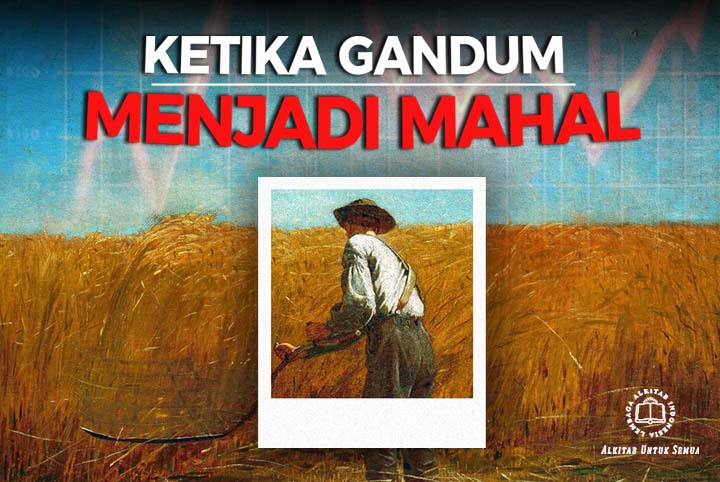
Ruth’s diakonia did not stop at words. She worked gathering barley in Boaz’s field to provide for herself and Naomi (Ruth 2:2–3). This action demonstrates that diakonia takes a tangible form: attending to the needs of others and engaging with their struggles in life. Diakonia is not merely an activity within the church, but a form of love that truly understands and helps with the problems in a person’s life.
Boaz’s presence also highlights the social aspect of diakonia. He protected Ruth and ensured she could work safely (Ruth 2:8–12). Boaz’s attitude demonstrates that serving others, particularly those in vulnerable circumstances, is a form of respect for human dignity.
This perspective is in line with the Christian exhortation to ‘bear one another’s burdens’ (Galatians 6:2). The Church must therefore regard diakonia as a vital part of its witness. Diakonia can be practised by supporting bereaved families, caring for the sick or the elderly, showing concern for those in financial difficulty, and standing in solidarity with marginalised groups.
The story of Ruth and Naomi reminds us that diakonia is not merely about how much is given, but about how closely the Church is present in the lives of those in need. When the church helps, serves and restores self-respect to others, diakonia becomes a tangible proof of God’s love in the midst of the world. (Riyan Salomo Parapat).