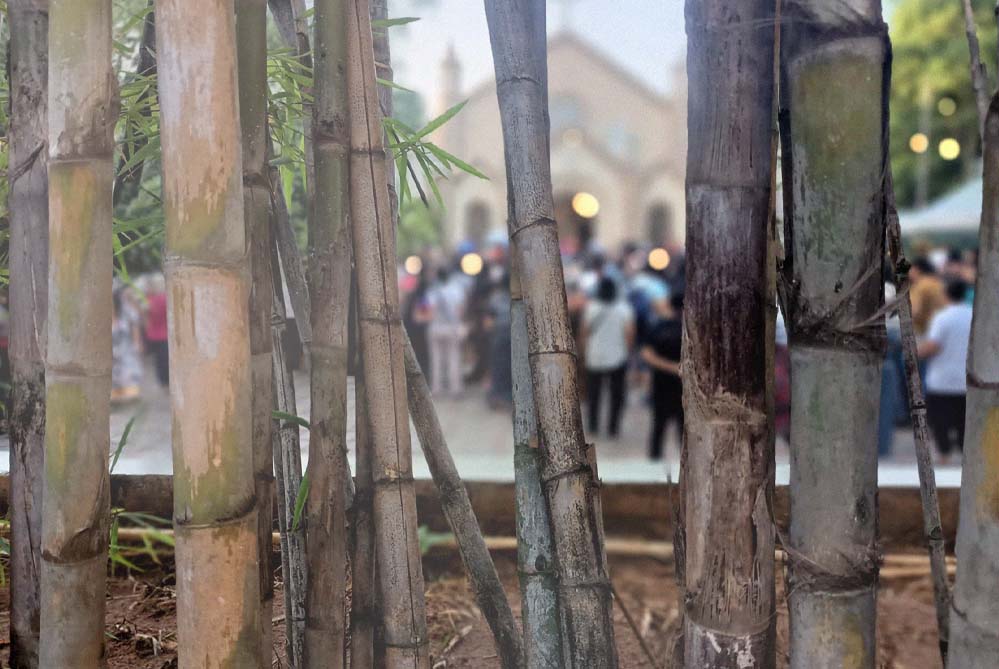
Every Thursday afternoon since January 2007, a group of people have gathered opposite the Merdeka Palace in Jakarta. They are dressed in black and carry black umbrellas. Some are parents who have lost children in acts of violence that remain unresolved to this day. By March 2026, the protest had taken place for the 900th time. They stand in silence, refusing to forget. They are troubled by the injustice that continues to occur. In this reading, the Prophet also highlights those who are troubled by injustice, amidst a society that has normalised crime.
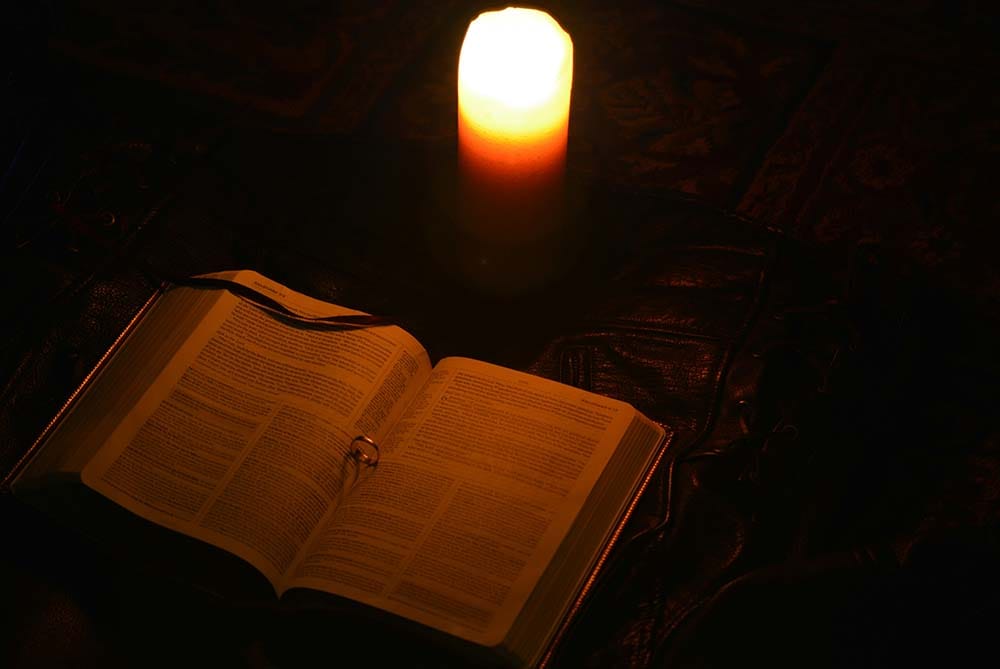
Ezekiel 9 is one of the most difficult passages in the Bible to read. In a vision, the prophet saw six men coming, carrying instruments of destruction to carry out judgement upon Jerusalem. However, before they set out, the Lord called another man, dressed in linen and carrying a writing implement. He was sent to walk through the city to mark on the foreheads of “those who grieve over all the detestable things practised there” (v. 4).
Note who is marked. It is not the most powerful, the richest, or the most devout. Rather, judgement begins in the holy place, with the elders before the Temple. Those singled out are those whose hearts are still broken at the sight of evil. In the midst of a city steeped in bloodshed and injustice, they have not become desensitised. They are still able to grieve and be troubled by injustice.
We live in an age where news of violence and injustice comes to us every day. Gradually, we become desensitised. We scroll through our screens, witness the events unfolding, and then move on to the next piece of content. We then forget and are unable to respond appropriately to the events that have taken place. Today’s Scripture reminds us that the ability to grieve over evil is a sign of a heart that remains fully turned towards God. God takes notice of those who do not cease to lament in the face of injustice and who refuse to treat it as a matter of course.