What's the Message?
Paul's letters comprise some of the oldest writings in the New Testament. His earliest letters were most likely written in the period 50-60 AD and came before the writing of the Gospels, Acts, and other writings in the New Testament.
Paul had studied the Hebrew Bible and was a member of the Pharisees, a group devoted to teaching and living according to God's law (Gal 1:14; Phil 3:5). In his letters, Paul confessed that he had troubled Jesus' followers, the “church”, because at that time Paul was convinced that they were questioning the authority of God's law and living by the new teachings of Jesus. However, when God showed Paul who Jesus really was (Gal. 1:15-16), Paul began to preach and teach the good news about Jesus.
The whole of Paul's letter contains several important themes. For example, Paul teaches that God sent "Christ to be a sacrifice for us" and to "free us from our sins" (Rom. 3:24-26). He also said that no one can please God or be accepted by God for keeping the law (Gal. 3:11; Rm. 3:23), but “God accepts those who have faith in Jesus Christ” (Gal. 2:16). Those who put their trust in Jesus not only benefit from the sacrifice made by the Critsus, but also share in the new life that Christ received when He was raised from the dead (Rom. 6:5-11). Paul tells Christians to live according to the Spirit of God, who gives the gift of serving others (Rom. 12:6-21; 1 Cor. 12-13; Gal. 5:16-25). He looks forward to the return of Christ (Flp. 3:20, Flp. 4:5; 1 Thess. 4:13-18), and he encourages Jesus' followers to live as if Jesus will return soon (1 Thess. 5:1-8; 1 Cor. 7:29-39).
The apostle Paul is the author of almost half of the books of the New Testament. His name appears in the salutations of thirteen "letters" in the New Testament, but many scholars today believe that he did not actually write all of these letters. All scholars agree that Paul wrote Romans, 1 and 2 Corinthians, Galatians, Philippians, 1 Thessalonians, and Philemon. The other three letters contain many of Paul's basic teachings, but exhibit ideas that are not found in the seven letters above that have been confirmed to be written by Paul. This, plus some differences in writing style and vocabulary usage, has led some scholars to believe the theory that Ephesians, Colossians, and 2 Thessalonians were written by other authors. Finally, the three letters to early church leaders (1 and 2 Timothy and Titus) present the issue of church leadership, which many scholars see as an important issue in the period one or two generations after Paul's death. In that generation, the local churches had gained members and there had been an increase in the number of churches. So while these three letters are traditionally seen as Paul's writings, it is quite possible that they were not written by Paul himself but by someone who was familiar with Paul's letters and teachings, and who wanted to apply what they had learnt from Paul to new issues facing the church.
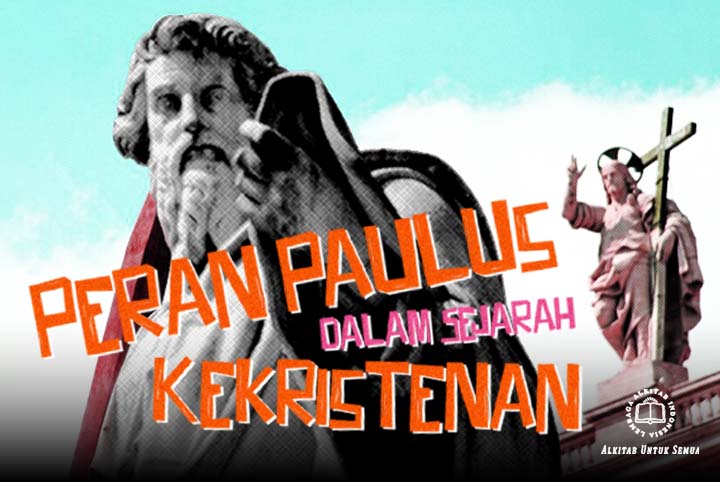
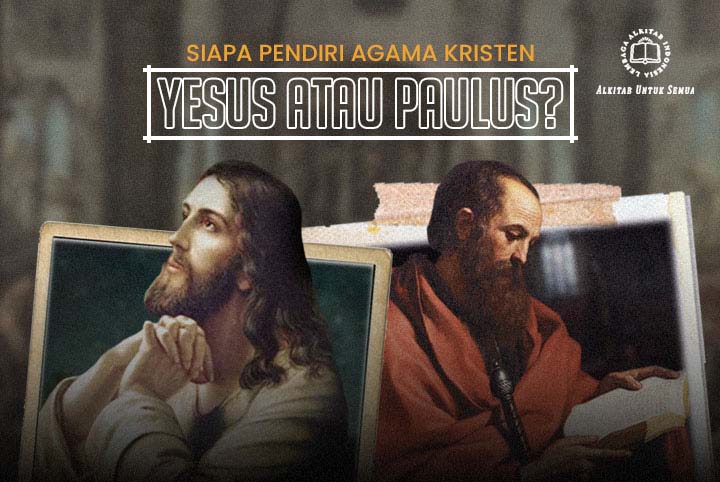
Paul was certainly one of the most influential leaders in the life of early Christianity. He preached and taught in many places during his travels in the Mediterranean region. Some of his letters were written to churches and people he had met during his travels, as well as to those who had learnt the good news of Jesus Christ from him. Others he wrote to people he hoped to meet in the future. Paul's letters depict life among the many groups of early Christians who struggled to understand what Jesus and His teachings meant for this life and the life to come. Paul's teachings reflect the cultural and social world of his day. They also show his understanding of the Hebrew Bible and his familiarity with Greek philosophy. Paul used all his experience and knowledge to preach the good news of Christ Jesus. He believed that he was chosen to preach "the power of God unto salvation to everyone who believes" (Rom. 1:16).
*Source: Bible Study Edition