Recently, the term "women support women" has become increasingly common, a simple invitation for women not to put each other down, but to support, listen to, and encourage each other. In the midst of a reality that often pits women against each other, this idea feels like a breath of fresh air: that the presence of others can be a safe space, not a threat. But in reality, it's not always easy to be truly present to each other. There are wounds, there are experiences to compare, there are insecurities that silently create distance. That's where the question arises: could the presence of others be the place where we find ourselves and even understand love more clearly?
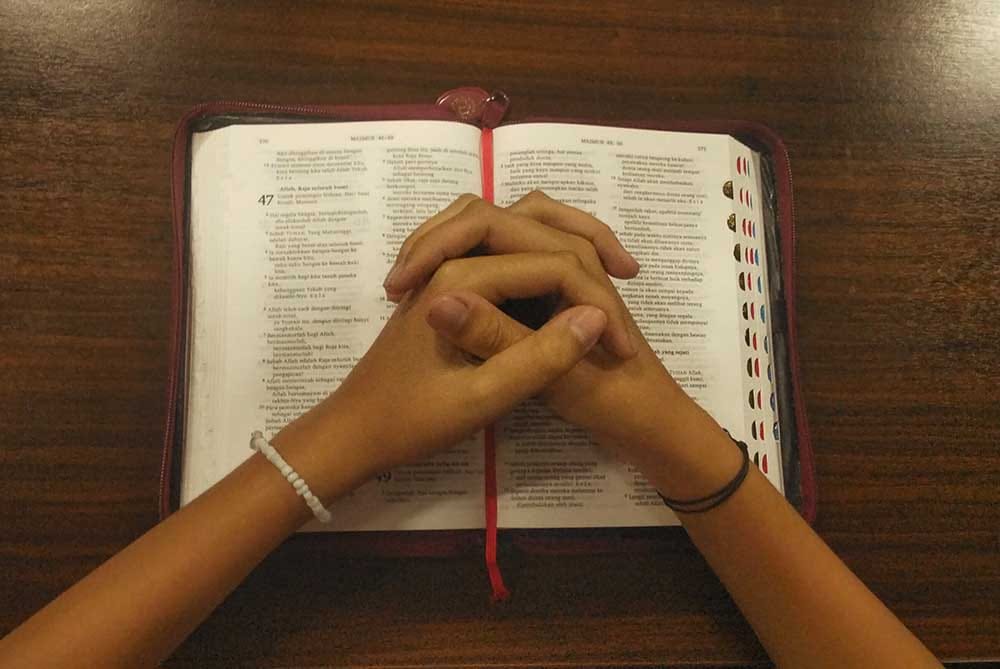
Earlier, the woman had cried out to the daughters of Jerusalem, "I beg you very much, daughters of Jerusalem: if you find my beloved, what will you say to him? Say that it hurts my romance!” She confessed honestly about her feelings and shared them with her fellow women. As the woman continues to search for her beloved, the daughters of Jerusalem ask, "What is your beloved's advantage over other lovers?" This question is repeated so that it seems urgent. This is not mere curiosity, but a community effort to understand: why is someone so consumed with loss, when there may be many other options. Such an attitude reminds us that often people offer "alternatives", as a response to those who are hurting from love. Maybe she wasn't that special, maybe there was something better. But that is precisely the paradox of love, that what is sought is not simply "who is better", but "who has become part of him".
Interestingly, the woman is not angry. She doesn't reject the question as mockery. Instead, she answers with a lengthy description of her lover. She recounts with admiration, not just to defend but to remember how precious he is to her. Even though their relationship was not going well, she was still thinking positively. She is reorganising her perspective when negative emotions start to dominate. Not to deny the wound, but to heal it. All of this is done because of the closeness, attachment, and identity formed in her relationship with her lover.
Friends of the Bible, this text shows that love does not always run smoothly. There are questions, there is distance, and there are often wounds. But in that dynamic, there are sometimes "daughters of Jerusalem", whose presence is not for judgement, but as a place to be heard, questioned, and slowly led back to realise what she is really longing for and striving for. Sometimes, we find ourselves in similar situations. We need to be asked, not to be judged, but to be reminded of who we really love, and why his presence is so meaningful.
On the other hand, we are also called to have wisdom in relating to others. Not hastily jumping to conclusions about other people's situations, but rather being willing to be a safe space, where someone can slowly rediscover the clarity of their heart in the midst of the complexity they are going through.