One evening, a hospital chaplain sat by the bedside of a patient whose condition was growing increasingly frail. In the silence, the patient began to reflect on his life: the people he loved, the things he had not yet had the chance to do, and the hopes he still harboured. Moments like this reveal that when a person faces the limits of life, their struggle is not merely about physical pain, but also about deeper questions: Has the life they have lived been meaningful? Is there still an opportunity to make amends and carry on with the things left undone?
Faced with death, a person is invited to reflect on their life and realise that time is not entirely their own, but a gift entrusted to them by God. It is precisely this kind of struggle that Hezekiah experienced in Isaiah 38. A king who possessed power and status suddenly had to face the reality that his life would soon come to an end.
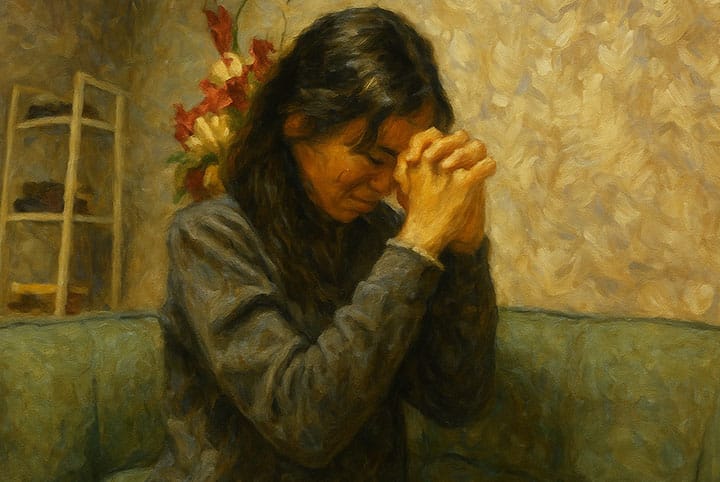
In those days, death held a very different meaning from how many people understand it today. The concept of life after death had not yet developed as it would later be understood within the Christian faith. In ancient Israelite thought, the realm of the dead (Sheol) was often depicted as a desolate place, where people no longer lived as they did in this world. Therefore, Hezekiah’s lament was not merely a fear of losing his long life. Rather, they were a fear of the severing of his relationship, his calling, and the opportunity to praise God amongst the living. Interestingly, Hezekiah did not hide his struggle. He wept. He prayed. He brought his anxiety before God just as it was.
The Lord then heard Hezekiah’s prayer and extended his life by fifteen years. Yet this story is not merely about physical healing. Having come face to face with death, Hezekiah composed a song of thanksgiving. He came to view life in a new light: not as something automatically granted, but as a gift from God to be lived with full awareness. The experience of facing death led Hezekiah to rediscover the meaning of life. He learnt that the value of life lies not merely in its duration, but in how that time is lived in the presence of God.
Dear Friends of the Bible, we may not be facing a situation like Hezekiah’s, but we have all been through times when life feels fragile: when plans change, when we experience loss, or when the future feels uncertain. Today, Isaiah reminds us that God does not turn away from human lament. He hears our prayers and sees our tears. His presence is not merely to change our circumstances, but also to renew the way we view the life He has given us. And when we come to see life once more as a gift, that is when our lament can gradually turn into a song.