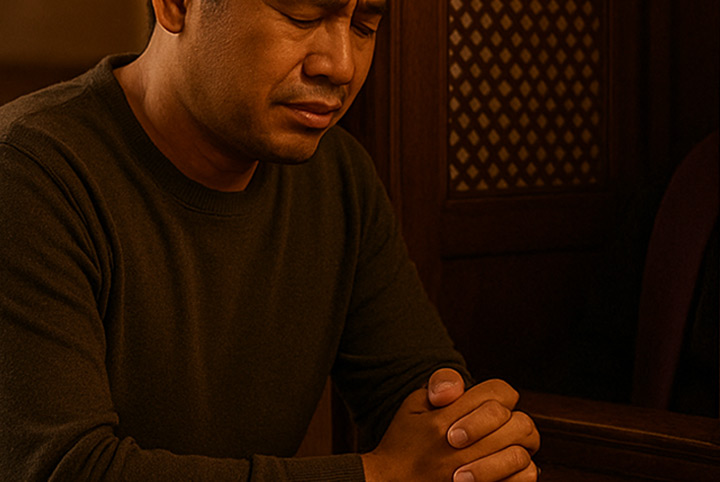
Indonesia is often cited as one of the most religious countries in the world. Places of worship are bustling, religious activities take place throughout the year, and various forms of worship are an integral part of people’s lives. However, amidst this religious way of life, we still face corruption, injustice, violence and a waning sense of care for one another. Why does such a deeply religious way of life not always result in genuine love?
Similar questions have arisen since the time of Isaiah. After returning from the Babylonian exile, the people of Israel resumed fasting and various forms of worship. They felt they had sincerely sought the Lord, yet asked, “Why do we fast, and You do not take notice?” (v. 3). They felt they had fulfilled all their spiritual obligations, yet saw no response from God to their struggles.
Through Isaiah, God revealed the root of the problem. The issue was not that they were lacking in worship, but that their worship had become merely ritualistic. Behind the fasting they practised, there was still oppression, strife and indifference towards the poor. Therefore, God declares that the fast He desires is to set the oppressed free, to feed the hungry, to help the poor, and to care for those in need (vv. 6–7). True worship always manifests love and justice in daily life.
It is here that Isaiah exposes the mistaken way of thinking about worship. Worship is not a transaction to obtain blessings, but rather a life-transforming encounter with God. When our hearts are transformed, the way we view and treat others changes as well. That is why God promises light, restoration and peace to those who live in accordance with His will (vv. 8–11).
Dear Bible Friends, worship does not end when a prayer is finished or when we step out of our homes, for ultimately, true worship is not merely about how often we practise it, but how deeply our encounter with God transforms our lives into channels of love, justice, and compassion for others.