Becoming a wise person is never about oneself apart from the world around them. The Bible, particularly the Book of Proverbs, always puts the process of discovering and seeking one's wisdom in relation to the situation of the world that surrounds him. Wisdom does lead to godliness of life, but the godliness formed by wisdom is holistic. It is always related to the relationship between humans and their neighbours, even humans and other creations. In other words, the godliness formed by wisdom is the attitude and response of a heart that is restless even in the midst of injustice that occurs around us.
Proverbs 22:17-29 again puts the teaching of wisdom in the form of first person teaching. They are placed as the teaching of wise men. They hope that these teachings, if processed properly, will shape the practice but also change the spirituality of a person who is directed towards wisdom. The instruction of the wise men is contained in several points of conversation which are then explained in verse 22 onwards. However, it is interesting to see one theme that stands out in verses 22 and 23.
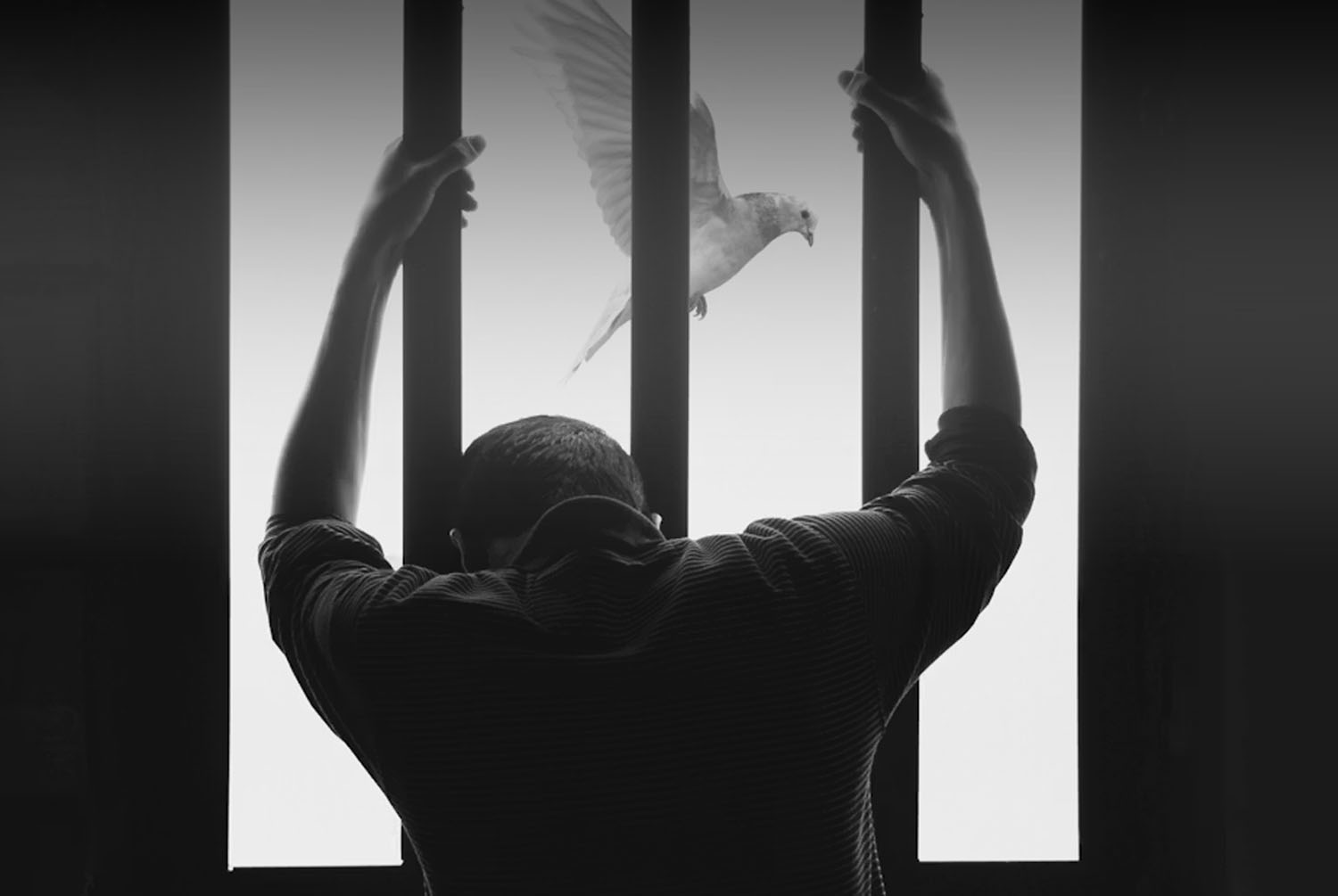
It seems that a person's wisdom is also related to their treatment of others. Israel's tradition has always been one of sensitivity to those who are oppressed and treated unfairly. The choice of behaviour was greatly influenced by the shared memory of oppression and slavery that the Israelites had experienced. The message of justice and compassion for the oppressed also comes as advice from wisdom. In verse 22 it says, "Do not rob the weak because he is weak, and do not trample the poor in the gate." The two subjects of contemplation are the weak and the poor. They represented a class of people at that time who were often invisible to the ruler and victims of oppression by their neighbours. Precisely in the counsel of wisdom, it is those people who should receive serious attention by not participating in the oppression perpetrated by others. Even God favours those who are oppressed.
Friends of the Bible, in a world that glorifies development above all else, we see many people who are victims of that spirit. Those who go unnoticed by the rulers, are deprived of their land or valuable possessions, and live their lives in endless suffering and oppression. People of wisdom are invited to realise justice and compassion for the oppressed. Therein lies true wisdom. When wisdom is not only about personal well-being but also the realisation of collective well-being.