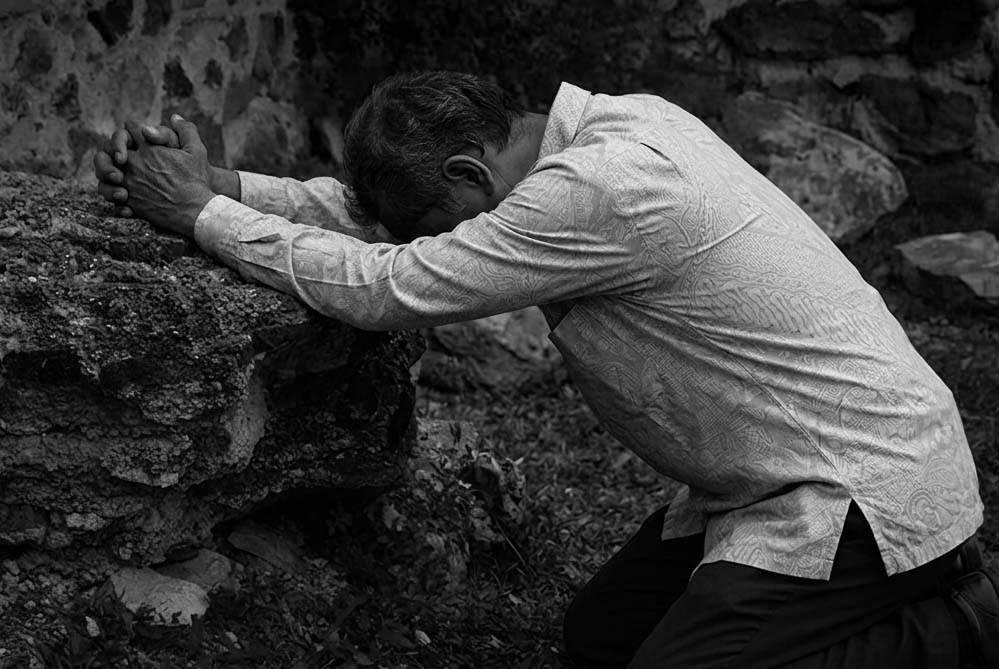
It is often easier to blame others or external circumstances beyond our control than to look within ourselves and correct what is amiss in our thoughts, words and behaviour. Unfortunately, the effort to improve oneself through reflective actions is often something that many people rarely undertake; it is easier to blame circumstances or those who are not involved than to acknowledge our own sin.
This is a picture of the situation currently being experienced by Judah. God warned them once again of the impending disaster, which was the logical consequence of their actions. Instead of repenting, they continued to make excuses and took pride in their status as God’s chosen people. They placed their pride and self-worth in outward things that are destined to perish, one of which was the Temple. This is precisely where Israel’s error lay: through Jeremiah, they believed that the Temple and all the rituals within it would lead to deliverance. This attitude also illustrates the narrow-mindedness of Judah, who believed that outward worship—without being grounded in true obedience to His word—could still save them.
Thus the people of Judah acted arbitrarily. The poor were oppressed in this way. Immigrants were cruelly oppressed, and foreigners were not accepted at all. These deeds were not pleasing to the Lord; they prevented Him from dwelling amongst them, and ultimately brought misfortune upon them. Judah’s only option was to repent and return to God.
Dear Bible Friends, do we not often behave just like the people of Judah? We are quicker to blame others for what happens to us. Perhaps, upon closer examination, it is actually our own actions that cause undesirable things to come into our lives. Just as Judah’s misfortune was primarily caused by behaviour that deviated from God’s word and decrees, so too must we turn back to God and obey all His words.