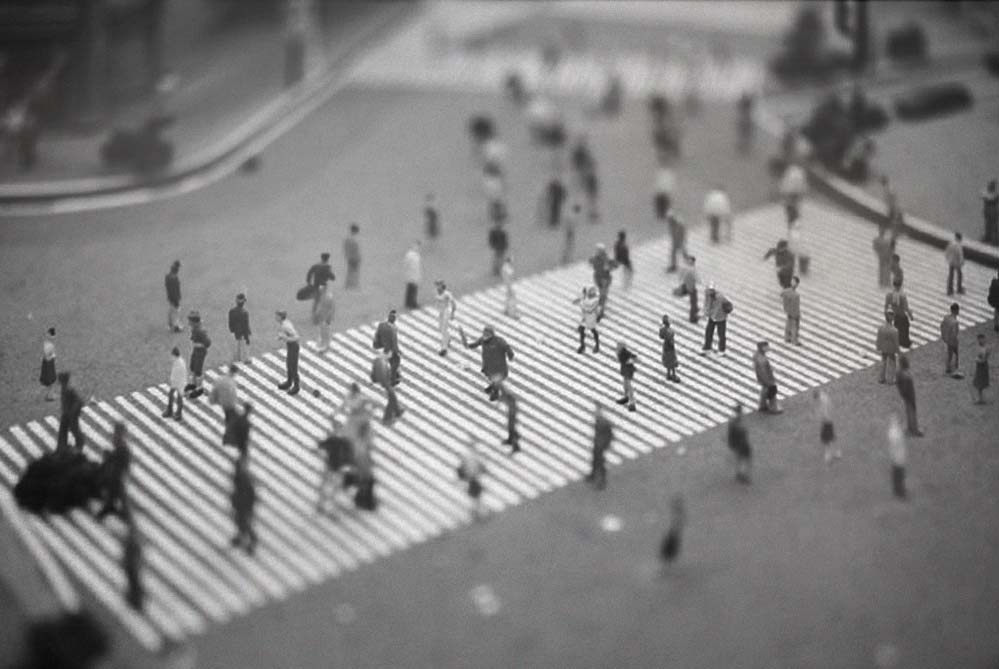
Not all wounded people show a gloomy face. There are those who keep laughing in front of many people, but are secretly tired of living their lives. Some continue to go about their routine as usual, but are actually feeling a void, as if they no longer have a place to turn to. Others slowly withdraw because they feel the world is too quick to judge and difficult to understand. Many people experience emotional loneliness, a loneliness that arises not because there are no people nearby, but because there is no safe space that truly accepts them. One can be in a crowd, but still feel alone. He is heard, but not truly understood. He is present in many relationships, but still feels alien in his own life.
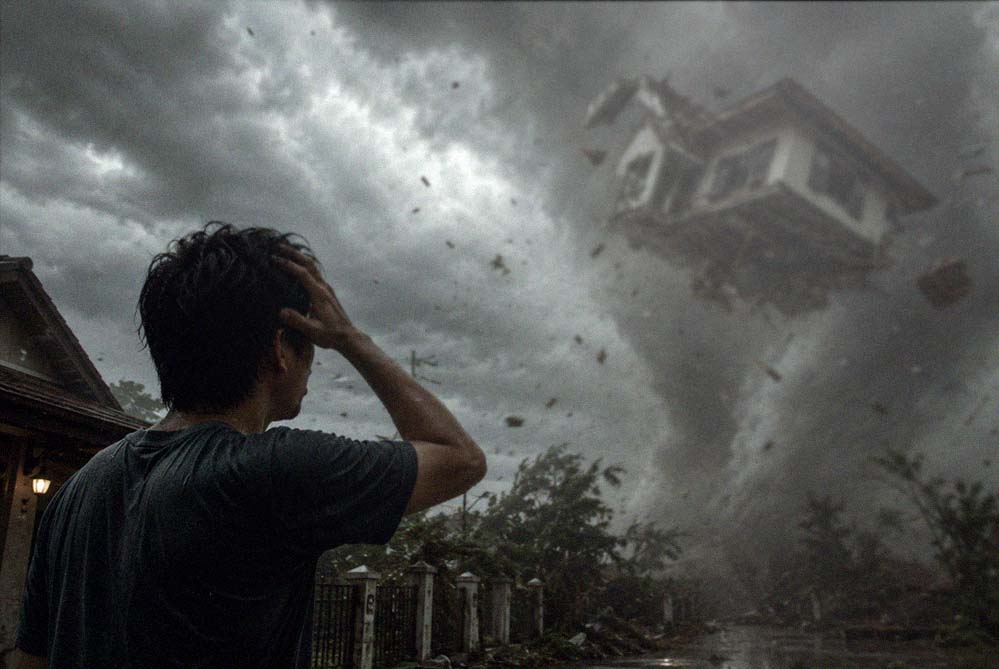
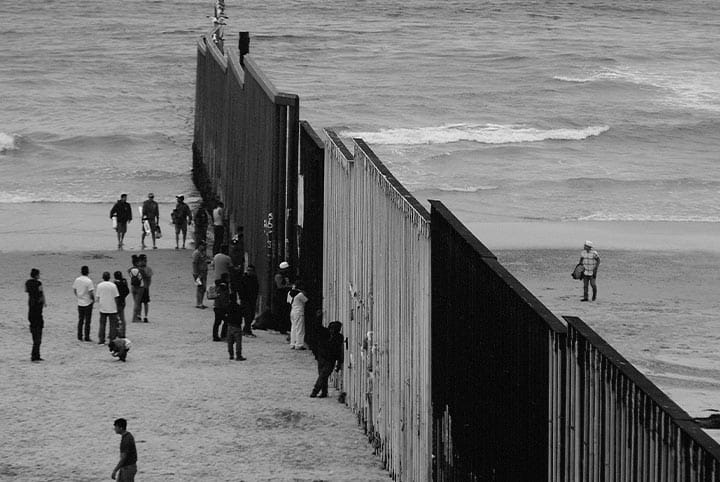
It is in the midst of such realities that Isaiah 16 speaks. This chapter continues the story of Moab's desolation. The people of Moab fled their land with fear and uncertainty. They sent lambs to Zion as a sign of humility and a plea for protection. The refugees were described as birds driven from their nests, scattered around the Arnon river with no clear direction.
Interestingly, in this text Zion is described as "a shade in the midday sun" (v. 3). Amidst the heat of the wilderness and the threat of destruction, Zion is seen as the last refuge. Although the Moabites were often in conflict with Israel, in the midst of suffering it was no longer political victory or national pride that was sought, but a place of survival. This is where Isaiah presents a profound message: the glory of God's people is not measured by how strongly they guard the city limits, but by their willingness to make room for the wounded. Zion is called to be a place of refuge for the displaced and frightened.
But the text also provides an honest critique. Isaiah points out that Moab still struggles with its pride (v. 6). Even in the midst of suffering, people often find it difficult to humble themselves. Therefore, the recovery process requires not only a safe place, but also the courage to admit one's weakness and need for God's help. On the other hand, those who are hurting often do not first need practical solutions, but rather the security of acceptance. An accepting and non-judgemental presence can be a very meaningful healing space. For many inner wounds grow not because a person has no one, but because he feels he has nowhere to be himself.
Friends of the Bible, have our lives become a shady space for others? In the midst of a world that is quick to judge and busy with itself, God calls us to open up, pay attention, and bring relief to weary souls. A life of faith is not just about coming to God for protection, but also about being a space where others can again feel God's hope, acceptance, and restoring love.